.png)
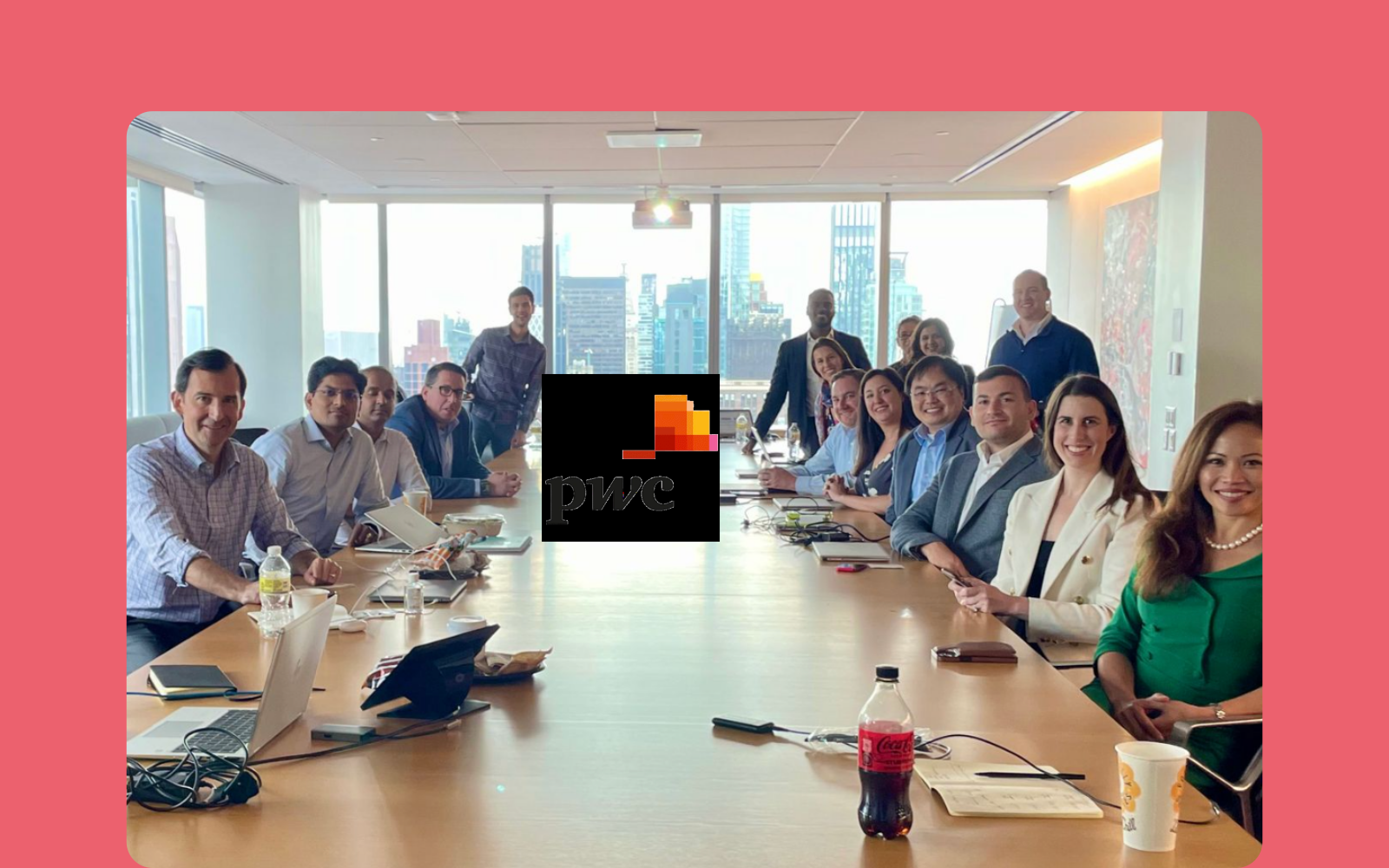
The smartest people in a room don't automatically work well together. At PwC, teams were brilliant and siloed—by practice, by discipline, by seniority. Getting a partner, a technologist, and a designer to think together, challenge each other, and actually solve something was harder than it sounds.
BXT was PwC's answer to that. My job was to create the activities that made it work in practice — how to run a better brainstorm, how to spot the elephant in the room, how to give feedback that lands.
I named them. I wrote them. I built the voice of the system from scratch.
Some were used tens of thousands of times.
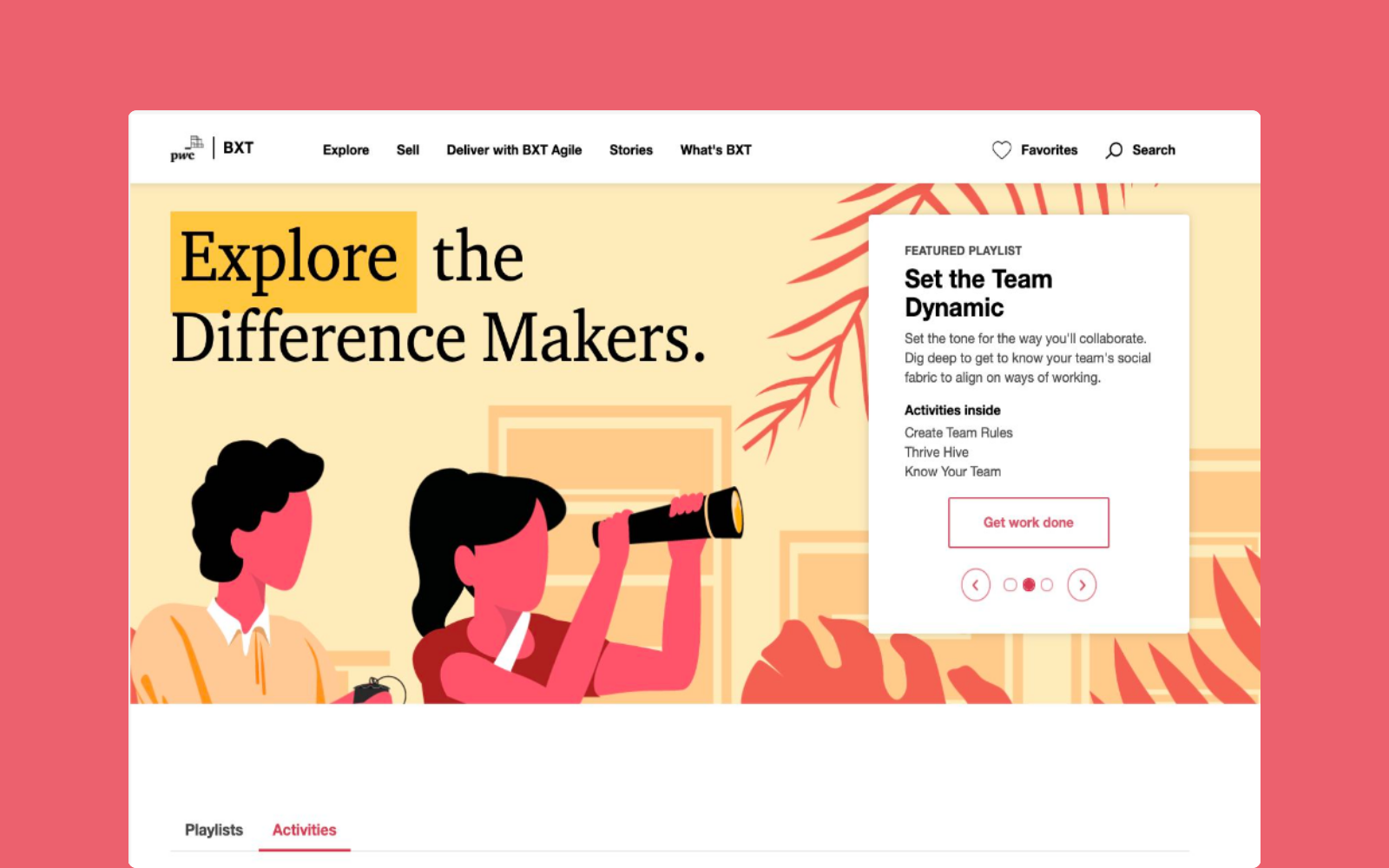
The Difference Makers were the behavioral core of the system—six categories, roughly fifty activities, each one a self-contained exercise a team could run without a facilitator. I was brought in as a writer. I did well enough that they handed me everything.
I was part of the small team that built them: ideating the activities, testing them, shaping how they worked in practice. The naming and writing were mine. Each name had to do two things at once: tell you exactly what you were about to do, and make you want to do it. "Thrive Hive." "Calendar Cleanse." "Task Hack." "Reframe Game." "Retrospective Perspective." Distinct enough to stick. Plain enough to use without explanation.
By the time I left PwC, Shake It Up had been run 40,000 times. Know Feel Do, 17,000. Spot the Elephant, 11,000. These weren't downloads. People actually ran them—in pitches, post-mortems, day-one kickoffs, across practices and geographies and client engagements.
PwC had the methodology. The words made it portable.
.svg)
%20(2).png)